
Unregulated prediction markets are emerging as the most serious financial threat tribal casinos have faced in decades, according to James Siva, Chairman of the California Nations Indian Gaming Association. Siva projects a 5% revenue decline for Indian Country casinos this year, rising to a catastrophic 25% loss in 2026, against a baseline of $46.2 billion in annual sales. The American Gaming Association has already quantified $1.21 billion in lost tax revenue attributable to prediction market activity, and tribal leaders argue the federal government is allowing an unlicensed competitor to operate freely inside their exclusive gaming territories.
James Siva’s Revenue Warning: 5% Now, 25% by 2026
The Figures Behind the Forecast
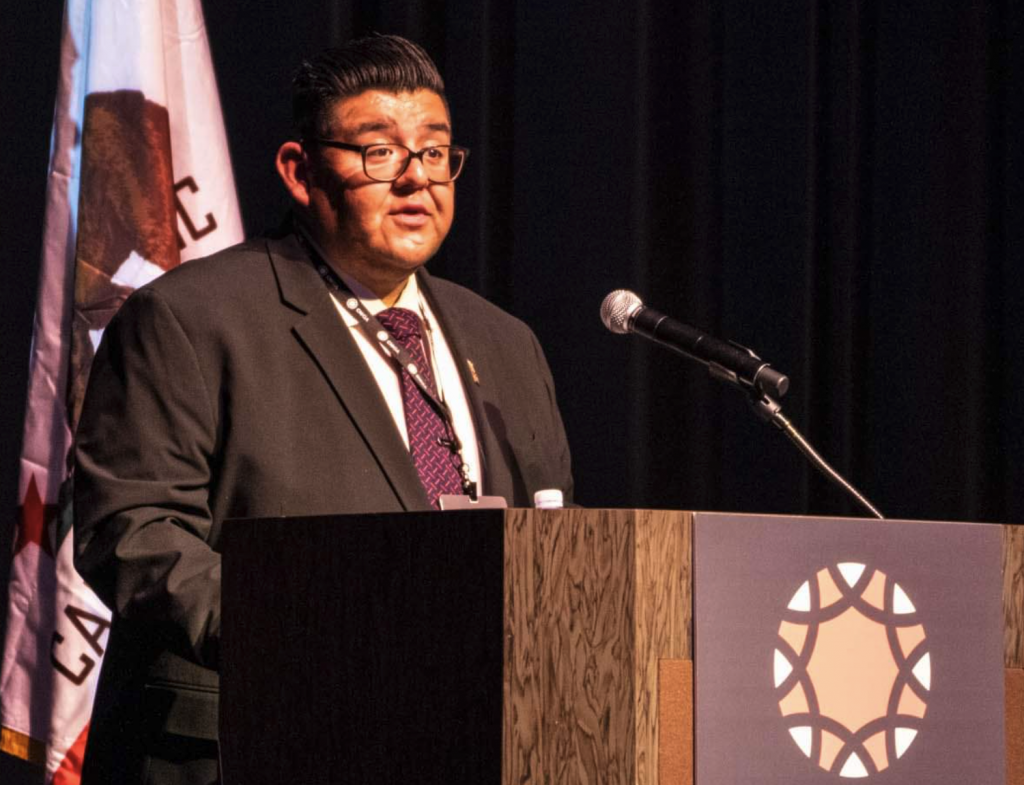
James Siva, speaking in his capacity as Chairman of the California Nations Indian Gaming Association (CNIGA), delivered a stark projection that has reverberated across the tribal gaming sector. Siva estimates that prediction markets will drain approximately 5% of tribal casino revenue in 2025, a figure that sounds manageable until it is applied to the $46.2 billion baseline Indian Country casinos recorded that same year [1]. That translates to roughly $2.3 billion in lost revenue in a single year.
The 2026 projection is far more alarming. Siva places the potential revenue loss at up to 25%, which would represent approximately $11.55 billion stripped from tribal gaming economies. No single regulatory development, economic downturn, or competitor has threatened tribal casino revenue at that scale since the Indian Gaming Regulatory Act established the modern tribal gaming framework in 1988. Siva’s warning is not a fringe view; it reflects growing consensus among tribal gaming leaders that prediction markets represent a structural threat, not a temporary disruption.
The California Nations Indian Gaming Association represents tribal nations across California, the largest tribal gaming market in the United States. CNIGA’s member tribes operate dozens of casinos and employ tens of thousands of workers, making Siva’s platform significant. His comments align with broader alarm signals from tribal leaders in Oklahoma, Washington, and other states where tribal gaming compacts grant exclusive rights to certain forms of wagering.
What Prediction Markets Actually Are
Prediction markets are platforms that allow users to buy and sell contracts tied to the outcome of real-world events, including sports results, elections, and economic indicators. Platforms such as Kalshi and Polymarket have grown rapidly since the U.S. Commodity Futures Trading Commission (CFTC) issued a 2024 ruling that allowed event contracts on sports outcomes to proceed under federal commodity law. That ruling effectively opened a legal pathway for prediction markets to offer sports-outcome wagering without obtaining state gambling licenses or entering into tribal gaming compacts.
The critical distinction is regulatory jurisdiction. Licensed sportsbooks and tribal casinos operate under state law and, in the case of tribal operations, under compacts negotiated with state governments and overseen by the National Indian Gaming Commission (NIGC). Prediction markets, by contrast, operate under CFTC oversight as financial instruments, bypassing the entire state-level licensing and compact framework entirely. Tribal leaders argue this creates an unlevel playing field where prediction market operators enjoy federal cover while tribal casinos bear the full cost of state regulation, compact fees, and exclusivity obligations.
By mid-2025, Kalshi had launched sports event contracts in multiple U.S. states, and Polymarket had expanded its U.S. user base significantly. Neither platform holds a state gambling license. Neither has entered into a revenue-sharing agreement with any tribal nation. That gap is precisely what Siva and CNIGA are fighting to close through legislative and regulatory channels.
Why Tribal Casinos Are Uniquely Exposed to This Threat
The Compact System and Exclusivity Rights
Tribal gaming in the United States operates under the Indian Gaming Regulatory Act of 1988 (IGRA), which established a three-class system for tribal gaming and required tribes to negotiate compacts with state governments before offering Class III gaming, which includes slot machines, table games, and sports betting. These compacts typically grant tribes exclusive or near-exclusive rights to offer certain forms of gambling within a state, in exchange for revenue-sharing payments to the state and compliance with regulatory standards.
California’s tribal gaming compacts, for example, grant member tribes of CNIGA the exclusive right to operate slot machines and banked card games in the state. Oklahoma’s tribal compacts cover a similarly broad range of gaming activities. When prediction markets offer sports-outcome wagering without a state license or compact, tribal leaders argue those operators are violating the spirit and, in some cases, the letter of exclusivity agreements that tribes paid dearly to secure. Some tribal attorneys have begun exploring legal challenges on exactly this basis.
The financial stakes extend beyond casino floor revenue. Tribal gaming funds government services, healthcare, education, and infrastructure for tribal members. A 25% revenue decline would not simply reduce casino profits; it would force cuts to essential services in communities that often lack alternative funding sources. The National Indian Gaming Commission reported that tribal gaming supports more than 700,000 jobs nationally, a figure that underscores the economic multiplier effect of any revenue shock.
The $1.21 Billion Tax Revenue Loss and Its Political Implications
The American Gaming Association (AGA) has quantified the fiscal damage at the government level, estimating that prediction markets have cost states and tribal nations $1.21 billion in tax revenue [1]. That figure covers foregone taxes and compact revenue payments that would have flowed from licensed gambling activity but instead went to unregulated prediction market platforms operating outside the tax framework.
This number carries significant political weight. State legislators who rely on gambling tax revenue to fund public programs are increasingly attentive to the prediction market issue, and tribal nations have historically been effective advocates in state capitals. The AGA, which represents commercial casinos, tribal operators, and gaming suppliers, has called for Congress and the CFTC to clarify the regulatory boundary between commodity event contracts and gambling. Without that clarification, the $1.21 billion figure is likely to grow substantially in 2026.
Several states, including Illinois and New Jersey, have introduced legislation in 2025 aimed at requiring prediction market platforms to obtain state gambling licenses. None of those bills had passed into law as of mid-2026, leaving the regulatory gap open and tribal casinos exposed.
Prediction Markets vs. Regulated Gambling: A 2026 Comparison
| Feature | Prediction Markets (Kalshi, Polymarket) | Licensed Sportsbooks | Tribal Casinos |
|---|---|---|---|
| Regulatory body | CFTC (federal) | State gaming commissions | NIGC + state compacts |
| State license required | No | Yes | Yes (compact) |
| Revenue sharing with tribes | None | Varies by state | Direct tribal revenue |
| State tax paid | No | Yes (6-51% of GGR) | Compact fees to state |
| Sports wagering offered | Yes (event contracts) | Yes | Yes (where compact allows) |
| Consumer protections | Limited | Comprehensive | Comprehensive |
The table above illustrates why tribal leaders describe prediction markets as an unfair competitor. Prediction market platforms access the same pool of sports-wagering customers as licensed sportsbooks and tribal casinos, but they operate without state licensing costs, without compact obligations, and without contributing to the tax base that funds state services. The CFTC’s 2024 ruling created a regulatory arbitrage opportunity that prediction market operators have exploited aggressively.
Indian Country’s $46.2 billion in 2025 revenue represents decades of investment in facilities, regulatory compliance, and political negotiation [1]. The tribal gaming industry grew from near zero in 1988 to become one of the largest segments of the U.S. gambling market, surpassing commercial casino revenue in several states. That growth was built on the compact system’s promise of exclusivity, a promise that prediction markets are now eroding without any compensating benefit to tribal communities.
The sports betting regulation debate has intensified since the Supreme Court’s 2018 Murphy v. NCAA decision struck down the Professional and Amateur Sports Protection Act (PASPA), opening sports betting to all states. Tribal nations in states like California, where a 2022 ballot measure to legalize online sports betting failed, find themselves in a particularly difficult position: they lack legal online sports betting revenue while prediction markets fill that void outside their compact framework entirely.
[PLACEHOLDER: IMAGE_2]
What This Means for Online Casino Players and the Broader Gaming Market
For players who use online casinos, the prediction market regulatory battle is a useful reminder of how deeply licensing frameworks shape the options available to consumers. Licensed online casinos, whether operating in New Zealand, the United Kingdom, or regulated U.S. states, pay licensing fees, submit to audits, and fund responsible gambling programs precisely because regulators require it. Prediction markets currently skip most of those obligations, which is why tribal leaders and commercial operators alike are pushing back hard.
The regulatory outcome of this fight will likely influence how broadly prediction markets expand internationally. If the U.S. Congress or CFTC moves to require prediction market platforms to obtain gambling licenses, the model that Kalshi and Polymarket have built could face significant restructuring. That would affect the competitive dynamics of online sports wagering globally, including in markets where fast-payout online casinos compete for sports-adjacent players.
The tribal casino revenue story also signals that the global gambling industry is entering a period of regulatory fragmentation, where different product types face radically different oversight regimes. Players and operators alike benefit from clarity, and the $1.21 billion tax revenue figure the AGA has documented gives regulators a concrete financial argument for closing the prediction market loophole. How quickly that happens will determine whether Siva’s 25% revenue loss projection becomes reality or a warning that prompted timely action.
Key Takeaways
- James Siva, Chairman of CNIGA, projects tribal casino revenue will fall 5% in 2025 and up to 25% in 2026 due to prediction market competition [1].
- Indian Country casinos recorded $46.2 billion in total revenue in 2025, meaning a 25% decline would erase approximately $11.55 billion [1].
- The American Gaming Association estimates prediction markets have already cost states and tribal nations $1.21 billion in combined tax revenue [1].
- Prediction market platforms Kalshi and Polymarket operate under CFTC oversight as commodity exchanges, bypassing state gambling licenses and tribal compact obligations entirely.
- The Indian Gaming Regulatory Act of 1988 (IGRA) grants tribes exclusive gaming rights through state compacts; tribal leaders argue prediction markets violate those exclusivity agreements.
- Several states, including Illinois and New Jersey, introduced legislation in 2025 to require prediction market platforms to obtain state gambling licenses, but none had passed as of mid-2026.
- Tribal gaming supports more than 700,000 jobs nationally, according to the National Indian Gaming Commission, amplifying the economic stakes of any significant revenue decline.
Frequently Asked Questions
What are prediction markets and why do they threaten tribal casinos?
Prediction markets are platforms where users trade contracts tied to real-world event outcomes, including sports results. Platforms like Kalshi and Polymarket operate under CFTC oversight as commodity exchanges, not as licensed gambling operators. This allows them to offer sports-outcome wagering without state gambling licenses or tribal compact obligations, directly competing with tribal casinos for the same customers while avoiding the regulatory costs tribal operators must bear [1].
Who is James Siva and what organization does he represent?
James Siva is the Chairman of the California Nations Indian Gaming Association (CNIGA), the organization that represents tribal nations operating casinos across California. CNIGA member tribes operate some of the largest tribal casinos in the United States. Siva has become one of the most prominent voices warning about the financial threat prediction markets pose to tribal gaming revenue [1].
How much revenue could tribal casinos lose to prediction markets?
According to James Siva of CNIGA, tribal casinos could lose approximately 5% of revenue in 2025 and up to 25% in 2026. Applied to the $46.2 billion in Indian Country casino revenue recorded in 2025, a 25% decline would represent a loss of roughly $11.55 billion. The American Gaming Association separately estimates that prediction markets have already cost states and tribal nations $1.21 billion in tax revenue [1].
Is there any regulation being proposed to address prediction markets?
Yes. Several U.S. states, including Illinois and New Jersey, introduced legislation in 2025 that would require prediction market platforms to obtain state gambling licenses. The American Gaming Association has also called on Congress and the CFTC to clarify the regulatory boundary between commodity event contracts and gambling. As of mid-2026, no such legislation had been signed into law, leaving the regulatory gap open.
How do tribal gaming compacts work and why do they matter here?
Under the Indian Gaming Regulatory Act of 1988, tribal nations must negotiate compacts with state governments to offer Class III gaming, which includes slot machines, table games, and sports betting. These compacts typically grant tribes exclusive or near-exclusive rights to certain gaming activities within a state. Tribal leaders argue that prediction markets offering sports-outcome wagering without a compact violate those exclusivity agreements and undermine the legal framework tribes negotiated and paid for over decades.
The Bottom Line
The warning James Siva delivered through CNIGA is not a theoretical concern. With $46.2 billion in annual tribal casino revenue on the table and prediction market platforms expanding rapidly under CFTC cover, the financial math is straightforward and alarming. A 25% revenue loss in 2026 would be the largest single-year decline in the history of Indian Country gaming, with consequences that extend far beyond casino floors into tribal healthcare, education, and government services.
The core issue is a regulatory gap that the CFTC’s 2024 ruling created and that Congress has not yet moved to close. Prediction market platforms are not operating illegally; they are operating in a space where federal commodity law and state gambling law have not yet been reconciled. Until that reconciliation happens, tribal casinos will continue to compete against platforms that bear none of the licensing, compact, or tax obligations that tribal operators carry. The AGA’s $1.21 billion tax revenue loss figure gives legislators a concrete reason to act, and tribal nations have the political organization and legal resources to push that case hard in 2026.
The regulatory battle over prediction markets will define the shape of U.S. sports wagering for the next decade. Tribal nations built a $46.2 billion industry on the promise of regulatory exclusivity; whether that promise holds will depend on how quickly federal and state lawmakers respond to one of the most consequential jurisdictional disputes in American gambling history.
Sources
- Casino.org – James Siva and CNIGA warning on prediction market revenue impact, $46.2B tribal casino revenue figure, and AGA $1.21B tax revenue loss estimate.