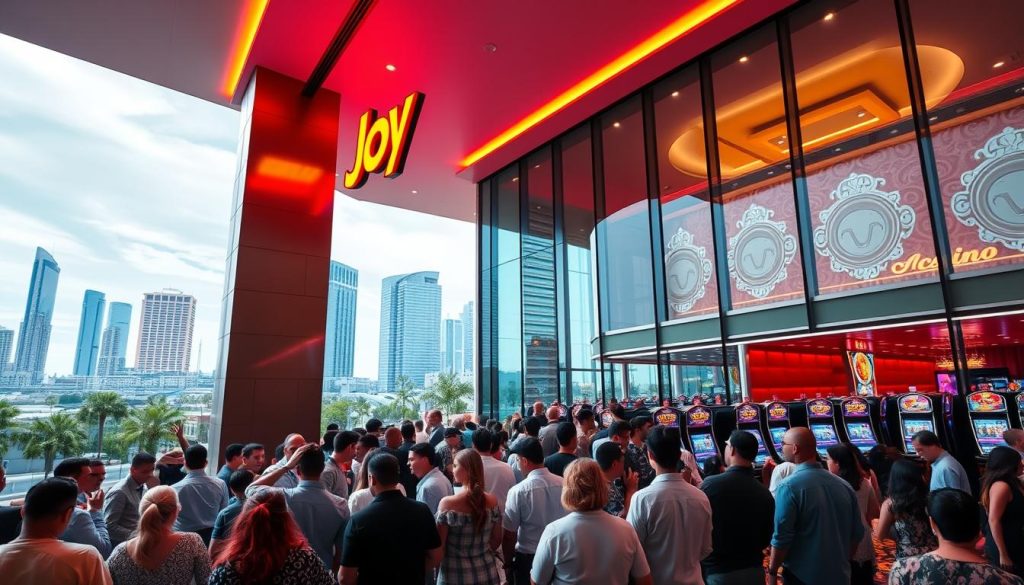
Indiana’s Senate has advanced a contentious proposal to build a 14th casino in Fort Wayne, clearing a narrow 26–22 vote that expands the state’s gaming footprint rather than consolidating existing licenses. House Bill 1038 now moves toward final passage, but the measure faces mounting criticism over its exclusion of a local referendum—a democratic safeguard that residents in other Indiana gaming markets have previously secured.
What Happened
The Indiana Senate passed HB 1038 on a party-line vote of 26–22, advancing a proposal that would grant a new casino license to Fort Wayne. The bill differs fundamentally from previous Indiana gaming expansions: rather than relocating or consolidating an existing license, it creates an entirely new 14th gaming venue in the state.
The legislation mandates that developers commit a minimum of $500 million to construction. This investment must include not only the casino itself but also hotels, restaurants, entertainment venues, and related infrastructure. The bill also establishes a $150 million licensing fee—a one-time payment that would flow primarily into Indiana’s general fund, with portions directed to property tax relief and local economic development initiatives.
Fort Wayne’s gaming proposal emerged after years of lobbying by local business groups and development interests. The city, Indiana’s second-largest by population, has lacked a major casino despite significant gaming expansion across the state over the past two decades. Supporters argue the facility would generate employment, increase tourism revenue, and provide a substantial economic injection to northeastern Indiana.
However, the bill’s path to passage has been turbulent. A critical sticking point remains the absence of a local referendum requirement. Unlike previous Indiana casino authorizations in cities like Gary and Terre Haute, HB 1038 does not mandate that Fort Wayne residents vote on the proposal. This omission has drawn sharp criticism from community advocates and local officials who argue that major gaming developments should require explicit public consent.
Why It Matters For Players
For online and land-based casino players across Indiana, this development signals continued market fragmentation and competitive intensity. A 14th casino means more physical venues competing for the same player base, which typically results in aggressive promotional offers, loyalty programs, and player acquisition incentives.
The Fort Wayne casino would likely draw players from Michigan, Ohio, and Kentucky—regions with limited gaming options relative to Indiana. This geographic advantage could translate into better player terms: more generous welcome bonuses, higher payout percentages on certain games, and premium amenities to justify the drive.
Conversely, existing Indiana casinos—particularly those in Gary and Michigan City—may face revenue pressure. When operators compete for a finite player pool, they often reduce promotional spending and tighten loyalty rewards. Players who frequent established venues should monitor whether their favorite casinos adjust their offers in response to new competition.
The $500 million construction requirement also matters. Casinos built to this scale typically feature state-of-the-art gaming floors with newer machines, advanced responsible gaming technology, and higher table game limits. These facilities attract both recreational and serious players, creating a more competitive gaming environment overall.
Market Context And Trend Analysis
Indiana’s gaming market has matured significantly since the state’s first casino opened in Gary in 1996. Today, the state operates 13 licensed casinos generating approximately $1.4 billion in annual gaming revenue. This places Indiana among the top 10 states for casino gaming by revenue, behind only Nevada, New Jersey, Pennsylvania, and a handful of others.
The Fort Wayne proposal reflects a broader national trend: state legislatures increasingly view casino licensing as a revenue mechanism rather than a carefully controlled expansion. Between 2010 and 2023, the number of licensed commercial casinos in the United States grew from 140 to 175—a 25 percent increase. Most of this growth occurred in states with mature gaming markets seeking incremental revenue without the political cost of raising taxes.
Indiana’s approach differs from neighboring states. Ohio maintains strict limits on casino numbers and locations. Michigan caps its commercial casino licenses at three. Illinois, by contrast, has pursued aggressive expansion, recently authorizing new facilities in Chicago and elsewhere. Indiana’s decision to add a 14th license positions the state closer to Illinois’s expansionist model.
The $150 million licensing fee is noteworthy from a fiscal perspective. Indiana’s general fund faces structural budget pressures, particularly in education and infrastructure. One-time gaming licensing revenue provides temporary relief but does not address long-term funding gaps. For context, Pennsylvania’s casino licensing fees generated $1.3 billion during the early 2000s, though that state’s market has since matured and licensing opportunities have diminished.
Fort Wayne’s population of approximately 250,000 makes it a logical candidate for gaming expansion. The city’s median household income and gaming participation rates align with successful casino markets. However, demographic analysis suggests Fort Wayne’s local player base alone cannot sustain a $500 million venue. Success depends on drawing regional players from a 150-mile radius—a strategy that works only if competing casinos do not simultaneously expand their offerings.
The fast payout online casino Angle
For players who prioritize fast payouts and efficient withdrawal processes, the Fort Wayne casino’s construction standards matter directly. Modern casinos built to $500 million-plus specifications typically feature integrated digital payment systems, mobile betting platforms, and streamlined cashout procedures that rival online operators.
The legislation’s silence on online gaming expansion is telling. While HB 1038 authorizes a physical casino, Indiana’s online gambling market remains limited to sports betting and a single regulated online poker site. A Fort Wayne casino could serve as a testing ground for expanded digital offerings—many states have used new physical casino licenses as leverage to negotiate broader online gaming rights.
For players comparing Indiana’s gaming landscape to neighboring states, this development reinforces Indiana’s position as a land-based gaming destination. Ohio’s limited casino options and Michigan’s three-casino cap mean Indiana continues to attract regional players. However, as more states legalize online sports betting and iGaming, Indiana’s competitive advantage erodes unless the state expands its digital offerings in parallel with physical expansion.
The fast payout casino audience—players who value speed, transparency, and efficient fund transfers—should monitor whether Fort Wayne’s new facility adopts best-in-class payment technology. A $500 million investment provides the capital necessary for advanced systems. Whether operators prioritize player convenience or maximum retention remains an open question.
Key Takeaways
- HB 1038 passed the Indiana Senate 26–22, advancing a proposal for a 14th casino license in Fort Wayne rather than consolidating existing licenses.
- Developers must commit $500 million minimum to construction, including hotels, restaurants, and entertainment venues—a requirement that ensures substantial economic investment.
- The $150 million licensing fee flows primarily to Indiana’s general fund, providing one-time revenue but not addressing structural budget challenges.
- No local referendum requirement distinguishes this bill from previous Indiana gaming expansions, drawing criticism from community advocates and local officials.
- Market competition will intensify, likely triggering promotional offers and loyalty program adjustments across Indiana’s existing 13 casinos.
- Regional player dynamics favor Fort Wayne, as the city’s location enables access to players from Michigan, Ohio, and Kentucky with limited local gaming options.
Frequently Asked Questions
What is House Bill 1038?
HB 1038 is Indiana legislation that authorizes a new casino license for Fort Wayne. The bill passed the Indiana Senate 26–22 and requires developers to invest at least $500 million in construction, including a casino, hotel, and entertainment venues. It also establishes a $150 million licensing fee paid to the state.
Why is the lack of a local referendum controversial?
Previous Indiana casino authorizations in cities like Gary and Terre Haute included local referendum requirements, allowing residents to vote on gaming development. HB 1038 omits this safeguard, meaning Fort Wayne residents have no direct say on whether the casino should be built. This has drawn criticism from community advocates who argue major developments require public consent.
How will a Fort Wayne casino affect existing Indiana casinos?
A 14th casino increases competition for the same player base, likely prompting existing operators to adjust promotional offers and loyalty programs. Casinos in Gary and Michigan City may face revenue pressure as players shift to the new Fort Wayne venue. However, the facility’s $500 million investment and modern amenities could also expand Indiana’s overall gaming market by attracting regional players from neighboring states.
The Bottom Line
Indiana’s Senate has cleared a significant hurdle for Fort Wayne’s gaming ambitions, but the measure remains controversial. The 26–22 vote reflects deep legislative division over whether the state should continue expanding its casino footprint without requiring local approval. Fort Wayne’s gaming proposal will now advance toward final passage, though the referendum debate will likely persist.
For players, the implications are mixed. A new $500 million casino brings modern gaming facilities and competitive incentives—but also market saturation that could reduce promotional generosity across Indiana’s existing venues. The real test comes when the Fort Wayne casino opens and regional player behavior becomes measurable. Until then, Indiana’s gaming expansion remains a calculated bet on continued demand.