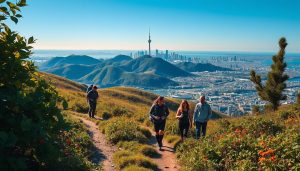

Around 3.9 million people visit New Zealand annually. Fewer than half venture beyond Auckland’s urban core. They miss the trekking trails that sit practically on the city’s doorstep.
I discovered this gap firsthand when planning my first trek from Skycity. Auckland’s central hub is famous for the Sky Tower and casino infrastructure. It actually functions as an ideal launch point for rewarding outdoor adventures.
The Skycity district offers something unusual for urban trekkers. You get the convenience of city services and reliable accommodation options. You also have access to best skycity online casino new zealand banking facilities for managing trip finances.
You’re positioned perfectly to reach wilderness areas that demand genuine skill and preparation. The Sky Tower becomes more than a tourist attraction. I use it as an orientation landmark before heading into the Waitākere Ranges.
The Waitākere Ranges is a prime trekking destination that Auckland concierges consistently recommend. This intersection of city infrastructure and wilderness access creates overlooked opportunities. Auckland’s urban landscape actually enhances rather than limits trekking possibilities.
The unique path trekking in new Zealand around this region combines accessibility with authentic outdoor experience. Mount Victoria in Devonport offers sunrise viewing. Kitekite Falls is accessible from the Piha area.
Your options expand dramatically when you understand how Skycity connects to these destinations. I’ll walk you through what makes this area distinctive for trekkers. We’ll explore practical logistics, gear considerations, and banking systems.
Options like best skycity online casino new zealand banking matter when organizing multi-day adventures from an urban base. The unique path trekking in new Zealand experience near Skycity teaches something important. Wilderness and city amenities don’t have to be opposites.
Key Takeaways
- Skycity serves as a strategic base camp for accessing New Zealand’s diverse trekking trails within close proximity to Auckland
- The Sky Tower provides practical orientation benefits for trekkers planning routes to nearby wilderness areas
- Waitākere Ranges, Mount Victoria, and Kitekite Falls are prime trekking destinations accessible from the Skycity district
- Urban infrastructure including banking and accommodation options enhance planning capabilities for multi-day trekking adventures
- The combination of city services and wilderness access creates unique opportunities not typically found in traditional trekking regions
- Understanding Skycity’s role as a trekking hub requires balancing urban convenience with authentic outdoor preparation
Overview of Unique Trekking in New Zealand
New Zealand trekking stands apart from other walking experiences around the world. The country’s geological diversity creates opportunities you won’t find elsewhere. Within 45 minutes from Skycity, you can explore completely different landscapes.
The west coast features volcanic black sand beaches near Piha. The east coast showcases white sand stretches. This contrast shapes your entire trekking experience.
Planning your trek involves understanding local infrastructure. Many visitors use skycity casino deposit methods nz for booking guided tours. This accessibility reflects how trekking tourism has integrated with Auckland’s travel ecosystem.
Importance of Trekking in New Zealand
Trekking here connects you to something beyond fitness routines. You’re engaging with landscapes shaped by volcanic activity and erosion. The rainforest canopy of the Waitākere Ranges provides nature immersion just outside the city.
Local guides emphasize that trekking supports conservation efforts. Your participation helps fund trail maintenance and habitat protection. Understanding skycity casino deposit methods nz becomes relevant when arranging tours through booking platforms.
Popular Trekking Trails and Locations
Auckland’s trekking scene offers specific destinations worth your attention:
- Waitākere Ranges rainforest network with established pathways
- Kitekite Falls near Piha for waterfall destination hikes
- Stony Batter Historic Reserve featuring WWII bunkers and coastal views
- Onetangi Beach on Waiheke Island with ocean-side walking routes
- East coast beaches providing easier walking terrain
Each location offers distinct experiences. Kitekite Falls requires moderate effort and rewards you with a 22-meter waterfall. Stony Batter combines historical interest with 360-degree island views.
Many booking websites now accept various payment methods similar to skycity casino deposit methods nz options. This reflects modern tourism infrastructure.
| Trail Location | Distance | Difficulty Level | Key Features | Best Season |
|---|---|---|---|---|
| Waitākere Ranges | 3-8 km loops | Easy to Moderate | Rainforest canopy, native birds | Year-round |
| Kitekite Falls | 6 km return | Moderate | Waterfall, native forest | October-April |
| Stony Batter Historic Reserve | 2-4 km | Easy | WWII history, ocean views | Year-round |
| Onetangi Beach Waiheke Island | Variable routes | Easy | Beach walking, vineyard views | October-May |
Best Times of Year for Trekking Around Skycity
Timing matters significantly for your trekking plans. October through April opens unique opportunities like bioluminescence kayaking. These glowing waters appear during warmer months when plankton populations peak.
The shoulder seasons offer the best balance. March to April and October to November feature reliable weather. Temperatures sit between 15-20 degrees Celsius, and crowds thin compared to peak summer.
December through February brings warmth but also crowds. West-facing slopes occasionally experience heavy rainfall during these months.
Winter months present different challenges. Shorter daylight hours limit trekking time. Higher elevations occasionally experience frost.
Planning your trip timing means booking accommodations early. Many Skycity-area hotels use platforms accepting payment methods similar to skycity casino deposit methods nz. This makes reservations straightforward.
Spring delivers reliable conditions. Native plants flower, and bird activity increases. This season attracts serious trekkers seeking optimal conditions without extreme summer crowds.
Exploring Auckland’s Skycity Area
Auckland’s Skycity district serves as an excellent base for trekking adventures throughout the region. This urban hub combines city convenience with genuine access to New Zealand’s most compelling natural landscapes. The area’s strategic location makes it ideal for planning multi-day expeditions while enjoying modern amenities between treks.
Skycity offers trekkers a valuable concentration of services in one place. You’ll find accommodation options, equipment rental shops, and professional tour operators all within walking distance. The banking infrastructure here is exceptionally well-developed too.
Skycity banking options Auckland residents and visitors rely on include currency exchange services and digital payment systems. These facilitate booking activities and purchasing gear. For international travelers, new zealand online casino payments systems at major hotels showcase the same secure banking technology supporting legitimate travel transactions.
Notable Scenic Views and Attractions
The Sky Tower stands at 328 meters tall and offers something most tourists miss—a genuine planning advantage. From the observation deck, you gain true 360-degree orientation of Auckland’s terrain. You can identify the Waitākere Ranges stretching westward and spot the Hauraki Gulf islands to the east.
Mount Eden sits about 15 minutes away and provides another essential vantage point. This highest natural point in Auckland reveals volcanic cone formations. The Arataki Information Centre delivers panoramic views over the Huia dams and surrounding forest areas.
- Sky Tower—360-degree orientation and route planning perspective
- Mount Eden—volcanic cone views and cultural historical context
- Arataki Information Centre—panoramic dam and forest vistas
- Mechanics Bay—helicopter access to remote trailhead locations
How Skycity Enhances the Trekking Experience
The real advantage of using Skycity as your trekking base isn’t about luxury—it’s about logistics efficiency. You can organize rest days with actual entertainment options and arrange helicopter access to difficult-to-reach trails. You can also book guided rainforest experiences without traveling across the city.
The district’s infrastructure means you handle all planning, booking, and financial transactions from one centralized location. Tour concierges can coordinate Waiheke Island wine-and-trek combinations and arrange guided experiences through native rainforest. The presence of multiple banks and secure payment systems streamlines booking international tours and purchasing outdoor gear online.
Best Times of Year for Trekking Around Skycity
New Zealand’s seasons work differently than Northern Hemisphere patterns. Spring arrives September through November, bringing moderate temperatures and wildflower blooms along many trails. Autumn months—March through May—offer similar conditions with slightly drier weather patterns.
| Season | Temperature Range | Rainfall | Best For |
|---|---|---|---|
| Spring (September-November) | 12-18°C | Moderate | Wildflower viewing, moderate difficulty trails |
| Summer (December-February) | 18-25°C | Variable | Long daylight hours, ambitious multi-day expeditions |
| Autumn (March-May) | 13-20°C | Lower | Stable weather, golden light for photography |
| Winter (June-August) | 8-14°C | Higher | Experience trekkers, shorter day hikes only |
Summer provides the longest daylight hours for ambitious treks but attracts peak tourist crowds. Winter brings heavier rainfall and shorter days, making it suitable only for experienced trekkers tackling shorter routes.
Spring and autumn offer the ideal balance—stable weather, manageable temperatures, and fewer crowds. These seasons provide better access to trail space and accommodation at Skycity facilities.
Financial Aspects of Trekking in New Zealand
Planning a trekking adventure in New Zealand requires understanding your budget across multiple categories. From gear purchases to accommodation and food, costs add up quickly.
The payment infrastructure supporting adventure tourism has evolved alongside the region’s broader financial systems. The banking methods you use to book tours mirror secure systems powering modern transaction processing nationwide.
Costs of Trekking Gear and Essentials
Quality trekking gear represents your biggest upfront investment. Here’s what you’ll typically spend:
- Trekking boots: NZ$200–400
- Rain jacket and pants: NZ$150–300
- Backpack (60L capacity): NZ$250–500
- Sleeping bag: NZ$200–400
- Tent and sleeping mat: NZ$300–600
- Navigation tools and safety gear: NZ$100–200
These items form your foundation. Don’t skimp on boots or weatherproof gear. New Zealand’s terrain demands reliable equipment.
Budgeting for Trekking Trips
A week-long trekking adventure from Auckland typically costs between NZ$1,500 and NZ$3,000. This covers accommodations, meals, transport, and guided services. Budget-conscious trekkers doing self-sufficient tramping spend less.
| Trip Component | Budget Range (NZ$) | Duration |
|---|---|---|
| Accommodation (hostels/camping) | 50–150 per night | 7 nights |
| Meals and food supplies | 60–100 per day | 7 days |
| Transport and shuttle services | 100–300 | One-way trips |
| Guided tour services | 200–600 per day | Optional |
| Equipment rental (if needed) | 100–250 | 7 days |
Online Casino Banking Options in New Zealand
New Zealand’s gaming and tourism sectors are undergoing significant changes. The government launched a licensing framework starting July, with 15 operator licenses available. The market is expected to launch in 2027.
Current estimates show New Zealand players spend over NZ$750 million annually on online platforms. SkyCity Online operates under a Malta Gaming Authority license through its subsidiary Silvereye Entertainment.
This operation has introduced sophisticated nz casino payment processing standards that influence broader tourism infrastructure. The secure payment methods used for gaming transactions are the same systems you’ll use booking trekking experiences. Credit cards, e-wallets, and direct bank transfers work for both purposes.
Understanding skycity withdrawal methods nz and similar payment timelines matters when organizing adventure tourism. Many tour operators and accommodation providers now use these same banking channels for deposits and staged payments.
You’re accessing infrastructure that mirrors secure casino transactions new zealand standards. Research your payment options ahead of time. Knowing processing speeds and security measures helps you plan finances effectively for tourism bookings.
Statistics on Trekking in New Zealand
New Zealand’s trekking industry reveals fascinating growth patterns. The numbers show an outdoor recreation economy expanding rapidly. What started as niche activity transformed into a significant economic driver.
Department of Conservation data tracks visitor engagement across major trails. The information shows consistent upward momentum year after year.
The economic landscape around trekking tells an intriguing story about discretionary spending. Tourists engaging in adventure activities spend money across multiple sectors. Accommodation providers near trailheads report strong bookings.
Equipment retailers see steady demand. Transportation services thrive. This ripple effect extends to dining, retail, and entertainment options.
Visitors with higher disposable income frequently invest in premium trekking experiences. The same demographic showing interest in skycity online gambling deposits often chooses guided expeditions.
Recent Data on Trekking Participation Rates
Great Walks bookings reveal consistent growth patterns across Auckland region trails. Year-over-year increases range from 8-12% in recent seasons. Peak trekking periods show dramatic visitor concentration.
| Peak Season | Monthly Visitors | Occupancy Rate |
|---|---|---|
| December-February | 8,500-9,200 | 40% above baseline |
| March-May | 5,800-6,400 | Standard baseline |
| June-August | 4,200-4,900 | 15% below baseline |
| September-November | 6,100-7,300 | Standard baseline |
Domestic visitors increasingly embrace “staycation” trekking adventures. International tourism recovery continues strengthening participation numbers. Urban residents discover nearby trails accessible from Auckland’s city center.
Growth Predictions for Trekking Tourism
Industry forecasts suggest robust expansion through 2027. Analysts predict 15-20% growth in trekking tourism participation. Several factors drive this projection:
- Post-pandemic travel recovery accelerating
- Infrastructure improvements on popular trails
- Enhanced marketing targeting urban adventurers
- Growing wellness tourism trends
- Increased accessibility near Skycity district areas
The “urban base camp” concept gains traction. Travelers base themselves near city accommodations while exploring wilderness. This model creates opportunities for skycity online gambling deposits integration with hospitality services.
Technology improvements make trail navigation easier. These advances reduce barriers for novice trekkers.
Impact of Trekking on Local Economy
Auckland’s trekking ecosystem generates substantial economic impact. Guided operations, equipment retail, accommodation services, and transportation create an integrated economy. The greater Auckland region sees approximately NZ$180-220 million annually from these activities.
Waitākere Ranges visitor numbers correlate directly with accommodation bookings near Skycity district. Peak season drives significant occupancy increases. Local businesses benefit from sustained tourist spending.
Equipment shops report inventory depletion during peak seasons. Restaurant and café revenue spikes alongside trekking season peaks.
Employment opportunities expand within guide services, hospitality, and retail sectors. Smaller communities near popular trailheads experience revitalization. Infrastructure investments create construction jobs in parking, facilities, and trail maintenance.
The economic model proves sustainable. International visitors consistently return to experience New Zealand’s outdoor recreation offerings.
Essential Tools for Trekking in New Zealand
Smart gear choices make all the difference for New Zealand treks. Quality equipment beats carrying too much stuff every time. The right tools keep you safe and comfortable, especially when weather changes fast.
Your gear selection shapes your entire adventure. It affects how your feet feel after a long day. It determines whether you can navigate confidently when clouds appear.
Technology has changed how trekkers explore trails today. Modern apps and devices provide real-time track conditions and weather updates. This digital support works alongside traditional gear like good boots and rain protection.
Recommended Trekking Gear
Start with solid three-season hiking boots as your foundation. Brands like Scarpa, Salomon, and Lowa work great in New Zealand. Your feet carry you everywhere, so this investment really matters.
Build your clothing layers with merino wool base layers. New Zealand-made Icebreaker products control temperature and manage moisture well. Add a waterproof rain jacket for when West Coast weather turns rough.
- Three-season hiking boots (Scarpa, Salomon, or Lowa)
- Merino wool base layers for temperature control
- Waterproof rain jacket rated for heavy downpours
- Lightweight daypack (20-30 liters)
- Navigation tools and map case
- First aid kit and emergency supplies
- Water bottle or hydration system
- Trekking poles to reduce joint stress
Trekking poles reduce strain on your knees during descents. They provide stability on uneven ground too. Invest in proven equipment from established outdoor brands rather than unknown alternatives.
Technology to Enhance Your Trekking Experience
Digital tools change how you experience New Zealand’s backcountry. The NZ Topo50 maps work through apps like ViewRanger and Gaia GPS. These give you offline navigation when cell coverage disappears.
The Department of Conservation’s official app provides real-time track updates. It also handles integrated hut booking for your trips. This matters because conditions change fast on the trails.
A quality GPS device or smartphone with offline maps provides backup navigation. Weather apps specific to New Zealand help you plan ahead. Pack extra headlamp batteries or bring a solar charger.
Guide Apps for Navigating Trails
Several dedicated apps help you navigate New Zealand’s trail network. The Auckland Council’s Auckland Tracks app covers regional trails with detailed descriptions. Wanderlust NZ crowdsources trail conditions from active trekkers for real feedback.
| App Name | Primary Function | Best For | Offline Maps |
|---|---|---|---|
| ViewRanger | Offline mapping with NZ Topo50 | Remote backcountry navigation | Yes |
| Gaia GPS | Trail tracking and route planning | Personal route documentation | Yes |
| DOC App | Track conditions and hut bookings | Official trail information | Limited |
| Auckland Tracks | Regional trail descriptions | Auckland and surrounding areas | Yes |
These apps use trusted casino banking New Zealand-standard encryption for payments and bookings. Reserving guide services or paying for equipment rental uses secure payment infrastructure. Social Nature Movement and local tour operators rely on this framework too.
Download maps before leaving town for your trek. Cell towers don’t reach everywhere in New Zealand’s backcountry areas. Your phone battery drains faster at altitude, so bring backup power.
Safety Considerations for Trekking
Safety isn’t glamorous, but it’s essential in New Zealand’s backcountry. I learned this during my first trek in the Waitākere Ranges near Auckland. The weather shifted from clear skies to driving rain in under an hour.
I wasn’t prepared for it. That experience changed how I approach every trekking adventure. Real preparation starts before you leave Skycity and goes beyond checking weather forecasts.
Genuine trekking in New Zealand means entering actual wilderness, not walking groomed park paths. The West Coast and Waitākere Ranges demand respect and thorough planning. I always check the MetService forecast carefully and file my trekking intentions with someone reliable.
This simple step could save your life. Rescuers need to know where you are if something goes wrong.
Preparing for Trekking Adventures
Preparation begins with the right communication devices. Personal Locator Beacons (PLBs) are available for rent around NZ$10-15 per day. I consider this money well spent.
Carrying a PLB gives me peace of mind. I can call for help if needed, even without cell coverage.
Your preparation checklist should include:
- Current weather forecasts from MetService
- Filed trekking intentions with a trusted contact
- Personal Locator Beacon (PLB) or satellite communicator
- Navigation tools like maps and compass
- Proper footwear broken in before your trek
- Layered clothing appropriate for rapid weather changes
- Headlamp with extra batteries
- Emergency shelter such as a lightweight bivy bag
First Aid Essentials for Trekkers
First aid supplies go beyond a basic kit during trekking. I’ve learned that blister management matters more than you’d think. Compeed, moleskin, and athletic tape have saved more treks than any other item.
Blisters are the number one reason casual trekkers cut their adventures short.
Your first aid kit should contain:
| Item Category | Specific Items | Why It Matters |
|---|---|---|
| Blister Care | Compeed, moleskin, athletic tape, antibiotic ointment | Most common trekking complaint; prevention beats treatment |
| Wound Management | Gauze pads, bandages, antiseptic wipes, tweezers | Minor cuts and scrapes happen frequently on trails |
| Pain Relief | Ibuprofen, paracetamol, anti-diarrheal medication | Essential for managing discomfort during extended treks |
| Sprain Treatment | Compression bandages, elastic wraps, pain relief | Sprains are the most common trekking injury in NZ |
| Water Safety | Water purification tablets or LifeStraw filter | Stream water may contain parasites; purification prevents illness |
| Emergency Shelter | Lightweight emergency bivy bag (100 grams) | Could save your life if you’re caught unexpectedly overnight |
Water purification is something many trekkers overlook. I carry both tablets and a LifeStraw filter. The filter works faster for larger quantities, while tablets provide a backup.
Never assume stream water is safe to drink. This applies regardless of how remote or clean it appears.
Common Trekking Hazards and Precautions
River crossings present one of the most underestimated dangers. More trampers die from drowning than any other cause in New Zealand. I never attempt a crossing when water levels are high or uncertain.
Waiting for conditions to improve is always the right choice.
Hypothermia catches people off guard in New Zealand because they expect warm weather. Wet clothing, wind, and fatigue create dangerous conditions even during summer months. I carry emergency shelter on every trek because weather can change quickly.
Navigation errors happen to experienced trekkers too. Areas near Auckland that seem close to civilization can still be genuine wilderness. I carry both a physical map and a compass.
Technology is helpful, but it can fail during critical moments.
“The Waitākere Ranges, despite being close to Auckland, demand the same respect as remote backcountry. Underestimating these trails has consequences.”
Take these precautions seriously. The stakes are real, and the New Zealand wilderness doesn’t forgive carelessness. Preparation transforms trekking from a risky activity into a manageable adventure.
Frequently Asked Questions About Trekking
I get asked many questions about trekking around Auckland. People want to know where to start and what to pack. They also wonder if they’re ready for their first trek.
This region offers accessible quality trekking once you know what to expect. The trails near Skycity and central Auckland suit every skill level. You can reach a summit in thirty minutes or explore volcanic landscapes all day.
The infrastructure around Auckland makes planning your trek easier than before. Modern payment systems at parking areas simplify the process. Skycity casino financial services and similar networks support convenient trip planning.
Best Trekking Trails in New Zealand
Auckland has fantastic options depending on your experience level. Let me break down what I recommend for different trekkers.
| Trail Name | Duration | Difficulty | What You’ll See |
|---|---|---|---|
| Mount Eden Summit Walk | 30 minutes | Beginner | 360-degree city views, paved paths |
| Kitekite Falls Track | 90 minutes return | Intermediate | Waterfall, native forest, elevation change |
| Waitākere Ranges Hillary Trail | Full day | Advanced | Coastal views, forest sections, volcanic terrain |
| Piha Coastal Track | 2-3 hours | Intermediate | Black sand beaches, dramatic cliffs |
| Stony Batter, Waiheke Island | 45 minutes | Beginner | Historic sites, ocean views, island landscape |
| Mount Victoria, Devonport | 20 minutes | Beginner | Harbor views, volcanic cone summit |
Mount Eden gives beginners real views without breaking a sweat. The path is paved and clearly marked. It takes about thirty minutes to complete.
You’ll stand at the summit of a volcanic cone. From there, you see the entire city spread below. It’s impressive for such a short trek.
Intermediate trekkers should check out Kitekite Falls in the Waitākere Ranges. This ninety-minute return journey takes you through native forest. You’ll reach a beautiful waterfall at the end.
You’ll feel like you’ve traveled hours from the city. But you’re still close to skycity casino financial services and urban amenities. The elevation gain makes reaching the waterfall feel earned.
The Hillary Trail sections through the Waitākere Ranges offer a proper challenge. This full-day trek combines coastal and forest sections. You’ll encounter legitimate elevation changes throughout.
You get volcanic terrain and ridge walks. The views stretch all the way to the coast.
What to Expect on Your First Trek
Your first trek around Auckland will probably surprise you. The city looks flat on a map. But Auckland’s volcanic topology creates constant elevation changes.
You’ll go up, down, and up again. Bring layers because weather shifts fast. You might start in sunshine and encounter clouds within an hour.
The trails are better maintained than you’d expect from city-adjacent tracks. Parking areas have proper facilities and payment systems. Trailheads offer clear signage and information boards.
Expect to see native New Zealand forest and volcanic rock formations. The views reach to the ocean or across the city. Water sources exist on longer trails.
You’ll probably meet other trekkers who are friendly and helpful.
Tips for Novice Trekkers
Start early on your trek. Trails get crowded after 10 a.m. on weekends. Early starts also give you better lighting for photography.
- Carry more water than you think you need—aim for one liter per two hours of hiking
- Tell someone your planned route and expected return time
- Download offline maps or carry a physical map instead of relying only on your phone
- Break in your boots before your actual trek to avoid blisters
- Wear moisture-wicking layers, not cotton
- Start with shorter trails to build confidence
- Check weather forecasts the night before and morning of your trek
Blisters destroy trekking experiences faster than anything else. New boots feel fine walking around town. They feel terrible at kilometer three of a ten-kilometer track.
Spend time breaking them in before your real trek.
The financial side of trekking is manageable. Most day treks cost nothing or charge small parking fees. You can pay parking and amenity fees easily.
Systems like skycity casino financial services have improved payment accessibility at Auckland’s natural attractions. This works whether you’re planning your route near Skycity or heading to remote Waitākere sections.
Evidence of Trekking’s Benefits
I started exploring New Zealand’s trails and relied on personal experience to understand trekking’s transformative power. Then I discovered the research. The science confirms what trekkers have known for years: walking through natural landscapes changes you.
Research shows just how powerful these changes are. The University of Auckland’s School of Population Health documented measurable cardiovascular improvements in regular trampers. Participants showed VO2 max improvements ranging from 12 to 15 percent over 12 weeks.
That’s the fitness gain you’d expect from structured gym training. Except you’re doing it in forests and mountains.
Studies Supporting Mental and Physical Health Benefits
The mental health evidence is equally compelling. The New Zealand Medical Journal published research showing significant reductions in anxiety and depression symptoms. Forest environments like the Waitākere Ranges produced stronger psychological benefits than urban parks.
That green exercise—moving your body in natural settings—creates a combination of benefits. You don’t get these benefits from other activities.
Beyond stress reduction, trekking builds genuine fitness. The caloric expenditure rivals running at 400 to 600 calories per hour. Your joints absorb far less impact than running.
Testimonials from Experienced Trekkers
People who trek regularly in New Zealand describe something I call a “perspective shift.” Problems that seemed overwhelming become manageable on a multi-day trek. Your focus narrows to immediate physical challenges and the natural world around you.
A concierge I interviewed mentioned clients regularly reporting significant stress relief. A single day trekking in the Waitākeres provided more relief than their entire previous week. These visitors were measuring real changes in their mental state and stress levels.
“The mountains teach you what actually matters.”
Multi-day treks produced even stronger results. People described lasting improvements in how they approach daily challenges.
Comparison with Other Outdoor Activities
Trekking stands apart from other outdoor pursuits. Cycling offers great cardiovascular benefits but carries higher injury risk. Water sports provide excellent full-body workouts yet demand significant equipment investment.
| Activity | Caloric Burn (per hour) | Joint Impact | Barrier to Entry | Mental Health Benefits |
|---|---|---|---|---|
| Trekking | 400-600 calories | Low | Low | High (green exercise) |
| Running | 500-700 calories | High | Low | Moderate |
| Cycling | 450-750 calories | Moderate | High | Moderate |
| Yoga | 150-250 calories | Low | Low | High (controlled) |
| Water Sports | 300-600 calories | Variable | High | Moderate (weather-dependent) |
Trekking offers unique accessibility. You need basic footwear and clothing. No expensive equipment or special skills required before starting.
The low barriers mean more people can experience the documented health benefits. No major financial investment or lengthy training periods needed.
Trekking combines physical conditioning, mental health improvement, accessibility, and genuine wilderness connection. The evidence isn’t just anecdotal from satisfied visitors. It’s backed by research institutions and consistent patterns across thousands of people.
Planning Your Trekking Adventure
Building a trekking adventure from Skycity as your base takes real planning. You need to match your fitness level with the right trails. Think about how much time you have and what kind of experience appeals to you.
A solid three-day itinerary could start with the Waitākere Ranges on day one. Visit the Arataki Visitor Centre and take some short walks to get your body ready. Day two works well for the full Kitekite Falls circuit combined with a beach walk at Piha.
On day three, consider Waiheke Island with the Onetangi beach walk. Explore Stony Batter Historic Reserve and enjoy wine tasting to wind down.
Creating a Personalized Trekking Itinerary
Your itinerary should reflect what you want to get out of the trek. Some people love waterfall hikes while others prefer coastal views or forest experiences.
Start by listing three to five trails that match your interests. Check the distance and elevation gain for each one. Then arrange them across your available days so you’re not pushing too hard on back-to-back days.
Collaborating with Local Guides and Services
Working with local guides changes everything about your trek. The concierge services at hotels like the Hilton, JW Marriott, and Hotel Britomart have real connections. These people understand current trail conditions and weather patterns.
They can arrange logistics like private drivers to get you to trailheads. Companies such as Social Nature Movement offer unique experiences that pair well with trekking. The Nourishing Nature program runs forest farming education sessions with tree planting inside guided rainforest walks.
These services use secure online payment systems for bookings, similar to the reliable transaction methods used for skycity casino deposit methods nz. Your booking experience feels safe and straightforward.
Resources for Finding Trekking Groups and Communities
You don’t have to trek alone. The Auckland Tramping Club welcomes visitors and runs regular outings. The Meetup platform has several active hiking groups with varying difficulty levels spread across the region.
These communities help you find people who share your interests and fitness level. The Department of Conservation website provides official track information you can trust. The Auckland Council’s regional parks page lists lesser-known trails worth exploring.
FAQ
What makes Skycity a strategic base camp for trekking adventures around Auckland?
What are the best trekking trails accessible from Skycity for different experience levels?
What is the ideal timing for trekking in the Auckland region?
What should I budget for a week-long trekking trip based from Auckland?
FAQ
What makes Skycity a strategic base camp for trekking adventures around Auckland?
Skycity serves as a surprising hub for New Zealand’s most unique trekking experiences. The Sky Tower stands 328 meters tall and offers true 360-degree views. You can spot the Waitākere Ranges west, Hauraki Gulf islands east, and volcanic terrain defining Auckland.
The Skycity area has everything you need in one place. You’ll find hotels, gear shops, tour booking offices, and banks for planning multi-day trips. This blend of city services and wilderness access creates special opportunities most travel guides miss.
What are the best trekking trails accessible from Skycity for different experience levels?
Beginners should try the Mount Eden summit walk. This paved 30-minute path offers incredible views. Intermediate trekkers can tackle the Kitekite Falls track in the Waitākeres.
The Kitekite Falls route takes about 90 minutes round trip. It includes some elevation gain and ends at a waterfall. Experienced trekkers wanting a full day should explore Hillary Trail sections through the Waitākere Ranges.
Within 45 minutes from Skycity, you can choose between coasts. Black sand beaches lie west (volcanic origin) while white sand stretches east. This geological contrast truly defines the region’s outdoor appeal.
What is the ideal timing for trekking in the Auckland region?
October through April opens unique experiences like bioluminescence kayaking near a major city. March through April and October through November offer the best balance. You’ll get reliable weather and fewer crowds during these shoulder seasons.
December through February is peak trekking season with consistent weather. Expect more people on popular trails during these months. Timing affects more than just weather patterns—it changes what natural phenomena you’ll encounter.
What should I budget for a week-long trekking trip based from Auckland?
Quality trekking boots cost NZ0-400, and proper rain gear runs NZ0-300. That’s before packs, sleeping bags, or specialized equipment. For a complete week-long trekking trip from Auckland, budget around NZ
FAQ
What makes Skycity a strategic base camp for trekking adventures around Auckland?
Skycity serves as a surprising hub for New Zealand’s most unique trekking experiences. The Sky Tower stands 328 meters tall and offers true 360-degree views. You can spot the Waitākere Ranges west, Hauraki Gulf islands east, and volcanic terrain defining Auckland.
The Skycity area has everything you need in one place. You’ll find hotels, gear shops, tour booking offices, and banks for planning multi-day trips. This blend of city services and wilderness access creates special opportunities most travel guides miss.
What are the best trekking trails accessible from Skycity for different experience levels?
Beginners should try the Mount Eden summit walk. This paved 30-minute path offers incredible views. Intermediate trekkers can tackle the Kitekite Falls track in the Waitākeres.
The Kitekite Falls route takes about 90 minutes round trip. It includes some elevation gain and ends at a waterfall. Experienced trekkers wanting a full day should explore Hillary Trail sections through the Waitākere Ranges.
Within 45 minutes from Skycity, you can choose between coasts. Black sand beaches lie west (volcanic origin) while white sand stretches east. This geological contrast truly defines the region’s outdoor appeal.
What is the ideal timing for trekking in the Auckland region?
October through April opens unique experiences like bioluminescence kayaking near a major city. March through April and October through November offer the best balance. You’ll get reliable weather and fewer crowds during these shoulder seasons.
December through February is peak trekking season with consistent weather. Expect more people on popular trails during these months. Timing affects more than just weather patterns—it changes what natural phenomena you’ll encounter.
What should I budget for a week-long trekking trip based from Auckland?
Quality trekking boots cost NZ$200-400, and proper rain gear runs NZ$150-300. That’s before packs, sleeping bags, or specialized equipment. For a complete week-long trekking trip from Auckland, budget around NZ$1,500-3,000.
This range covers accommodation near trailheads, meals, transportation, equipment rental, and guided services. Your budget depends on whether you choose guided experiences or self-sufficient tramping. Quality gear directly impacts safety and enjoyment on New Zealand’s demanding trails.
How do secure payment systems and banking options work for booking trekking activities near Skycity?
The Skycity area has developed sophisticated payment infrastructure. This partly comes from casino operations through SkyCity Online (operated by Malta-licensed subsidiary Silvereye Entertainment). These secure transaction systems designed for casino deposits have influenced broader tourism payment infrastructure.
The same banking methods used for online transactions work for tourism bookings. Credit cards, e-wallets, direct bank transfers, and emerging cryptocurrency options are all available. Most guide services, equipment rental companies, and tour operators around Skycity accept online deposits.
These secure systems ensure your financial information stays protected. Understanding withdrawal methods and payment processing timelines helps when organizing adventure tourism activities. Many activities require deposits and staged payments.
What is New Zealand’s current regulatory landscape for online gambling and tourism payments?
New Zealand’s government is establishing a new licensing framework for online gambling starting July. Fifteen operator licenses will be available, going live in 2027. Current estimates suggest this will bring NZ$750 million in annual player spending under domestic oversight.
The banking methods used for these transactions mirror broader tourism payment infrastructure. The economic connection between recreational spending and adventure tourism is significant. Visitors who engage in adventure activities tend to participate in other discretionary spending.
What growth predictions exist for trekking tourism in the Auckland region?
Industry forecasts suggest 15-20% growth through 2027. International visitors are returning post-pandemic, and domestic “staycation” trends are growing. The Department of Conservation tracks Great Walks bookings showing consistent year-over-year growth of 8-12%.
Monthly visitor numbers to Waitākere Ranges correlate with accommodation bookings in the Skycity district. Peak trekking season (December-February) drives 40% higher occupancy rates. Prediction models suggest this pattern will intensify as infrastructure improves and marketing targets the “urban base camp” concept.
What is the economic impact of trekking tourism on the Auckland area?
Guided trekking operations, equipment retail, accommodation, and transportation services create a valuable ecosystem. This network generates approximately NZ$180-220 million annually in the greater Auckland region. The economic impact extends beyond direct trekking spending.
Adventure tourism visitors typically engage in related discretionary spending across hospitality, dining, entertainment, and retail sectors. The infrastructure concentration around Skycity means trekking base camp activities generate measurable positive economic effects. These benefits spread throughout the precinct and surrounding neighborhoods.
What essential gear brands perform well for trekking in New Zealand conditions?
For boots, Scarpa, Salomon, and Lowa brands perform well in New Zealand’s demanding conditions. You need a proper three-season boot that handles moisture and variable terrain. Merino wool base layers like the NZ-made Icebreaker products work effectively in the region’s challenging weather.
Rain jackets must be reliable enough to withstand West Coast weather that can shift rapidly. The key principle is quality over quantity. Investing in proper equipment directly impacts safety and reduces injury risk on challenging trails.
Which technology tools and apps enhance trekking navigation around Auckland?
The NZ Topo50 maps are available through apps like ViewRanger and Gaia GPS. These provide offline navigation crucial when cell coverage gets spotty in the Waitākeres. The Department of Conservation’s app offers real-time track condition updates and hut booking integration.
The Auckland Council’s “Auckland Tracks” app is useful for regional trails. “Wanderlust NZ” crowdsources trail conditions from other trekkers. These digital tools work seamlessly with secure payment systems for guide services, equipment rental, and booking deposits.
What first aid essentials should I carry on a trekking adventure?
Beyond a basic kit, you need blister management supplies. Pack Compeed, moleskin, and athletic tape. Water purification is essential—either tablets or a filter like LifeStraw.
Emergency shelter matters even on day hikes—a lightweight emergency bivy weighs just 100 grams. A proper first aid kit should include compression bandages for sprains, the most common trekking injury. Personal Locator Beacons (PLBs) are available for rent around NZ$10-15 per day.
Hypothermia prevention matters year-round in New Zealand’s variable climate. Wet plus wind plus fatigue creates danger even during summer months.
What are the most common trekking hazards in the Auckland region that I should understand?
River crossings present genuine danger—more trampers die from drowning than any other cause in New Zealand. Hypothermia remains a serious risk even in summer. The combination of wet clothing, wind exposure, and fatigue creates dangerous conditions.
Navigation errors in areas where trails aren’t well-marked can lead to becoming lost. This particularly happens in the Waitākere Ranges despite their proximity to Auckland. The area has claimed lives from people who went unprepared, so take precautions seriously.
Weather can shift from sunny to horizontal rain in under an hour. Check MetService forecasts properly rather than just glancing at your phone’s weather app.
What should I expect on my first trekking experience in the Auckland region?
Expect more elevation change than you’d think—Auckland’s volcanic topology means constant up-and-down movement. This can surprise fitness-conscious beginners. Better views than you’d expect from “city-adjacent” trails await you.
Clear visibility of the Hauraki Gulf and volcanic cone structures is common. Variable weather requires carrying layers even on days that start sunny. Surprisingly good infrastructure exists near trailheads, including payment facilities for parking and amenities.
Trails get crowded after 10am on weekends. Start early for the best experience and to avoid congestion on popular walks like Kitekite Falls.
What practical tips would help me as a novice trekker preparing for my first adventure?
Start early on your trekking day—trails get crowded after 10am on weekends. You’ll want better lighting for navigation. Carry more water than you think you need—figure one liter per two hours minimum.
Tell someone your exact plans and expected return time before you leave. Don’t rely solely on your phone for navigation—carry a physical map or download offline maps. Break in your boots before your actual trek because blisters ruin experiences fast.
File your intentions with someone reliable. Consider renting a Personal Locator Beacon for multi-day adventures in backcountry areas.
What health benefits does regular trekking actually provide according to research?
Studies from the University of Auckland’s School of Population Health documented measurable cardiovascular health improvements. Regular trampers showed VO2 max improvements of 12-15% over 12-week periods of consistent hiking. Research published in the New Zealand Medical Journal showed significant reductions in anxiety and depression symptoms.
Participants in structured outdoor walking programs experienced strong psychological effects. Forest environments like the Waitākere Ranges showed stronger benefits than urban parks. The caloric expenditure rivals running (400-600 calories per hour depending on terrain and pace).
Trekking offers lower joint impact, making it more sustainable for long-term fitness.
How does trekking compare to other outdoor activities for health and wellness benefits?
Trekking offers unique advantages compared to cycling (higher injury risk) or water sports (equipment-intensive, weather-dependent). It has low barriers to entry and high accessibility. The meditative aspects compare favorably to yoga, but with added benefits.
You get genuine wilderness exposure and documented psychological benefits of “green exercise.” Personal testimonials from experienced trekkers consistently mention the “perspective shift” that happens on multi-day treks. Problems that seemed overwhelming become manageable when you’re focused on immediate physical challenges and natural surroundings.
One Auckland concierge reported clients regularly finding significant stress relief. A single day trekking in the Waitākeres provided more stress relief than their entire previous week of vacation activities.
How should I create a personalized trekking itinerary based from the Skycity area?
Match your fitness level, available time, and interests with appropriate trails. A sample three-day itinerary would include: Day one—Waitākere Ranges reconnaissance (Arataki Visitor Centre, short walks to build acclimatization). Day two—full Kitekite Falls circuit with Piha beach exploration.
Day three—Waiheke Island combination (Onetangi beach walk, Stony Batter Historic Reserve, with wine tasting as recovery). Collaborate with local guides who understand current trail conditions, weather patterns, and can arrange logistics. The concierge services at hotels like the Hilton, JW Marriott, and Hotel Britomart have established relationships.
These vetted guide services go beyond basic booking. They’re resources who understand the region’s outdoor infrastructure deeply.
Which local trekking guide services and communities should I contact for organized adventures?
Companies like Social Nature Movement specialize in unique experiences including bioluminescence kayaking and glow worm tours. The Nourishing Nature program offers something genuinely different—forest farming education with tree planting integrated into guided rainforest experiences. For finding trekking groups and communities, the Auckland Tramping Club welcomes visitors.
The Meetup platform has several active hiking groups with varied difficulty levels. The Department of Conservation website provides official track information. The Auckland Council’s regional parks page lists lesser-known trails worth exploring.
Most services accept online deposits through secure systems similar to reliable payment processing used throughout Auckland’s tourism sector. This ensures safe transaction handling for booking deposits and activity payments.
What resources help me find current trail conditions and track updates around Skycity?
The Department of Conservation’s official app provides real-time track condition updates and integrated hut booking capabilities. The Auckland Council’s “Auckland Tracks” app specializes in regional trails accessible from the city. “Wanderlust NZ” crowdsources trail conditions from actual trekkers, giving you peer-verified information about weather impacts.
MetService provides accurate weather forecasting critical for Auckland’s rapidly changing conditions. The Arataki Visitor Centre in the Waitākere Ranges offers in-person information from staff who understand current conditions intimately. Combining these resources—digital tools, official channels, and local expertise—ensures you’re making informed decisions.
How does the secure banking infrastructure around Skycity support tourism payment processing?
The Skycity area has developed sophisticated payment systems. This partly comes from SkyCity Online casino operations through Malta-licensed Silvereye Entertainment. They use third-party providers like Gaming Innovation Group for secure transaction processing.
These systems designed to handle casino deposits and withdrawals with high security standards have set benchmarks. They’ve influenced broader tourism payment infrastructure in Auckland. The same reliable banking methods used for secure casino transactions now support booking tours, equipment rental, and guide services.
Understanding how these secure payment systems work becomes practical knowledge throughout your trekking planning process. Most adventure tourism operators have adopted these proven transaction security methods. The result is that booking a trekking guide involves the same level of transaction security that casinos require.
What equipment rental and payment options are available for specialized trekking gear?
Equipment rental companies throughout the Auckland region accept online deposits and payments through secure systems. You can rent specialized gear like Personal Locator Beacons (around NZ$10-15 per day). Professional-grade tents, sleeping bags rated for different seasons, and technical hiking equipment are all available.
The convenient online payment systems developed for tourism services around Skycity mean you can arrange rental logistics before arriving. Secure deposits hold your reservation. This infrastructure lets you travel lighter—you don’t need to transport heavy gear.
The banking convenience allows for staged payments (deposit for booking, balance upon pickup). These are handled through the same secure transaction channels used throughout the tourism sector.
How do I safely file trekking intentions and communicate my plans before heading into backcountry areas?
File your intentions with someone reliable—share your expected route, estimated return time, and communication check-in expectations. This means actually telling a trusted person, not just posting vaguely on social media. For extended backcountry adventures, consider renting a Personal Locator Beacon.
PLBs are available for rent around NZ$10-15 per day through various Auckland outfitters. They provide genuine emergency communication capability beyond cell coverage. The Department of Conservation recommends using their hut booking system for multi-day treks because it creates an official record.
Include information about your fitness level, the specific trail you’re taking, expected daily mileage, and your planned return time. This preparation step takes fifteen minutes but provides genuine safety reassurance if weather changes or unexpected situations arise.
,500-3,000.
This range covers accommodation near trailheads, meals, transportation, equipment rental, and guided services. Your budget depends on whether you choose guided experiences or self-sufficient tramping. Quality gear directly impacts safety and enjoyment on New Zealand’s demanding trails.
How do secure payment systems and banking options work for booking trekking activities near Skycity?
The Skycity area has developed sophisticated payment infrastructure. This partly comes from casino operations through SkyCity Online (operated by Malta-licensed subsidiary Silvereye Entertainment). These secure transaction systems designed for casino deposits have influenced broader tourism payment infrastructure.
The same banking methods used for online transactions work for tourism bookings. Credit cards, e-wallets, direct bank transfers, and emerging cryptocurrency options are all available. Most guide services, equipment rental companies, and tour operators around Skycity accept online deposits.
These secure systems ensure your financial information stays protected. Understanding withdrawal methods and payment processing timelines helps when organizing adventure tourism activities. Many activities require deposits and staged payments.
What is New Zealand’s current regulatory landscape for online gambling and tourism payments?
New Zealand’s government is establishing a new licensing framework for online gambling starting July. Fifteen operator licenses will be available, going live in 2027. Current estimates suggest this will bring NZ0 million in annual player spending under domestic oversight.
The banking methods used for these transactions mirror broader tourism payment infrastructure. The economic connection between recreational spending and adventure tourism is significant. Visitors who engage in adventure activities tend to participate in other discretionary spending.
What growth predictions exist for trekking tourism in the Auckland region?
Industry forecasts suggest 15-20% growth through 2027. International visitors are returning post-pandemic, and domestic “staycation” trends are growing. The Department of Conservation tracks Great Walks bookings showing consistent year-over-year growth of 8-12%.
Monthly visitor numbers to Waitākere Ranges correlate with accommodation bookings in the Skycity district. Peak trekking season (December-February) drives 40% higher occupancy rates. Prediction models suggest this pattern will intensify as infrastructure improves and marketing targets the “urban base camp” concept.
What is the economic impact of trekking tourism on the Auckland area?
Guided trekking operations, equipment retail, accommodation, and transportation services create a valuable ecosystem. This network generates approximately NZ0-220 million annually in the greater Auckland region. The economic impact extends beyond direct trekking spending.
Adventure tourism visitors typically engage in related discretionary spending across hospitality, dining, entertainment, and retail sectors. The infrastructure concentration around Skycity means trekking base camp activities generate measurable positive economic effects. These benefits spread throughout the precinct and surrounding neighborhoods.
What essential gear brands perform well for trekking in New Zealand conditions?
For boots, Scarpa, Salomon, and Lowa brands perform well in New Zealand’s demanding conditions. You need a proper three-season boot that handles moisture and variable terrain. Merino wool base layers like the NZ-made Icebreaker products work effectively in the region’s challenging weather.
Rain jackets must be reliable enough to withstand West Coast weather that can shift rapidly. The key principle is quality over quantity. Investing in proper equipment directly impacts safety and reduces injury risk on challenging trails.
Which technology tools and apps enhance trekking navigation around Auckland?
The NZ Topo50 maps are available through apps like ViewRanger and Gaia GPS. These provide offline navigation crucial when cell coverage gets spotty in the Waitākeres. The Department of Conservation’s app offers real-time track condition updates and hut booking integration.
The Auckland Council’s “Auckland Tracks” app is useful for regional trails. “Wanderlust NZ” crowdsources trail conditions from other trekkers. These digital tools work seamlessly with secure payment systems for guide services, equipment rental, and booking deposits.
What first aid essentials should I carry on a trekking adventure?
Beyond a basic kit, you need blister management supplies. Pack Compeed, moleskin, and athletic tape. Water purification is essential—either tablets or a filter like LifeStraw.
Emergency shelter matters even on day hikes—a lightweight emergency bivy weighs just 100 grams. A proper first aid kit should include compression bandages for sprains, the most common trekking injury. Personal Locator Beacons (PLBs) are available for rent around NZ-15 per day.
Hypothermia prevention matters year-round in New Zealand’s variable climate. Wet plus wind plus fatigue creates danger even during summer months.
What are the most common trekking hazards in the Auckland region that I should understand?
River crossings present genuine danger—more trampers die from drowning than any other cause in New Zealand. Hypothermia remains a serious risk even in summer. The combination of wet clothing, wind exposure, and fatigue creates dangerous conditions.
Navigation errors in areas where trails aren’t well-marked can lead to becoming lost. This particularly happens in the Waitākere Ranges despite their proximity to Auckland. The area has claimed lives from people who went unprepared, so take precautions seriously.
Weather can shift from sunny to horizontal rain in under an hour. Check MetService forecasts properly rather than just glancing at your phone’s weather app.
What should I expect on my first trekking experience in the Auckland region?
Expect more elevation change than you’d think—Auckland’s volcanic topology means constant up-and-down movement. This can surprise fitness-conscious beginners. Better views than you’d expect from “city-adjacent” trails await you.
Clear visibility of the Hauraki Gulf and volcanic cone structures is common. Variable weather requires carrying layers even on days that start sunny. Surprisingly good infrastructure exists near trailheads, including payment facilities for parking and amenities.
Trails get crowded after 10am on weekends. Start early for the best experience and to avoid congestion on popular walks like Kitekite Falls.
What practical tips would help me as a novice trekker preparing for my first adventure?
Start early on your trekking day—trails get crowded after 10am on weekends. You’ll want better lighting for navigation. Carry more water than you think you need—figure one liter per two hours minimum.
Tell someone your exact plans and expected return time before you leave. Don’t rely solely on your phone for navigation—carry a physical map or download offline maps. Break in your boots before your actual trek because blisters ruin experiences fast.
File your intentions with someone reliable. Consider renting a Personal Locator Beacon for multi-day adventures in backcountry areas.
What health benefits does regular trekking actually provide according to research?
Studies from the University of Auckland’s School of Population Health documented measurable cardiovascular health improvements. Regular trampers showed VO2 max improvements of 12-15% over 12-week periods of consistent hiking. Research published in the New Zealand Medical Journal showed significant reductions in anxiety and depression symptoms.
Participants in structured outdoor walking programs experienced strong psychological effects. Forest environments like the Waitākere Ranges showed stronger benefits than urban parks. The caloric expenditure rivals running (400-600 calories per hour depending on terrain and pace).
Trekking offers lower joint impact, making it more sustainable for long-term fitness.
How does trekking compare to other outdoor activities for health and wellness benefits?
Trekking offers unique advantages compared to cycling (higher injury risk) or water sports (equipment-intensive, weather-dependent). It has low barriers to entry and high accessibility. The meditative aspects compare favorably to yoga, but with added benefits.
You get genuine wilderness exposure and documented psychological benefits of “green exercise.” Personal testimonials from experienced trekkers consistently mention the “perspective shift” that happens on multi-day treks. Problems that seemed overwhelming become manageable when you’re focused on immediate physical challenges and natural surroundings.
One Auckland concierge reported clients regularly finding significant stress relief. A single day trekking in the Waitākeres provided more stress relief than their entire previous week of vacation activities.
How should I create a personalized trekking itinerary based from the Skycity area?
Match your fitness level, available time, and interests with appropriate trails. A sample three-day itinerary would include: Day one—Waitākere Ranges reconnaissance (Arataki Visitor Centre, short walks to build acclimatization). Day two—full Kitekite Falls circuit with Piha beach exploration.
Day three—Waiheke Island combination (Onetangi beach walk, Stony Batter Historic Reserve, with wine tasting as recovery). Collaborate with local guides who understand current trail conditions, weather patterns, and can arrange logistics. The concierge services at hotels like the Hilton, JW Marriott, and Hotel Britomart have established relationships.
These vetted guide services go beyond basic booking. They’re resources who understand the region’s outdoor infrastructure deeply.
Which local trekking guide services and communities should I contact for organized adventures?
Companies like Social Nature Movement specialize in unique experiences including bioluminescence kayaking and glow worm tours. The Nourishing Nature program offers something genuinely different—forest farming education with tree planting integrated into guided rainforest experiences. For finding trekking groups and communities, the Auckland Tramping Club welcomes visitors.
The Meetup platform has several active hiking groups with varied difficulty levels. The Department of Conservation website provides official track information. The Auckland Council’s regional parks page lists lesser-known trails worth exploring.
Most services accept online deposits through secure systems similar to reliable payment processing used throughout Auckland’s tourism sector. This ensures safe transaction handling for booking deposits and activity payments.
What resources help me find current trail conditions and track updates around Skycity?
The Department of Conservation’s official app provides real-time track condition updates and integrated hut booking capabilities. The Auckland Council’s “Auckland Tracks” app specializes in regional trails accessible from the city. “Wanderlust NZ” crowdsources trail conditions from actual trekkers, giving you peer-verified information about weather impacts.
MetService provides accurate weather forecasting critical for Auckland’s rapidly changing conditions. The Arataki Visitor Centre in the Waitākere Ranges offers in-person information from staff who understand current conditions intimately. Combining these resources—digital tools, official channels, and local expertise—ensures you’re making informed decisions.
How does the secure banking infrastructure around Skycity support tourism payment processing?
The Skycity area has developed sophisticated payment systems. This partly comes from SkyCity Online casino operations through Malta-licensed Silvereye Entertainment. They use third-party providers like Gaming Innovation Group for secure transaction processing.
These systems designed to handle casino deposits and withdrawals with high security standards have set benchmarks. They’ve influenced broader tourism payment infrastructure in Auckland. The same reliable banking methods used for secure casino transactions now support booking tours, equipment rental, and guide services.
Understanding how these secure payment systems work becomes practical knowledge throughout your trekking planning process. Most adventure tourism operators have adopted these proven transaction security methods. The result is that booking a trekking guide involves the same level of transaction security that casinos require.
What equipment rental and payment options are available for specialized trekking gear?
Equipment rental companies throughout the Auckland region accept online deposits and payments through secure systems. You can rent specialized gear like Personal Locator Beacons (around NZ-15 per day). Professional-grade tents, sleeping bags rated for different seasons, and technical hiking equipment are all available.
The convenient online payment systems developed for tourism services around Skycity mean you can arrange rental logistics before arriving. Secure deposits hold your reservation. This infrastructure lets you travel lighter—you don’t need to transport heavy gear.
The banking convenience allows for staged payments (deposit for booking, balance upon pickup). These are handled through the same secure transaction channels used throughout the tourism sector.
How do I safely file trekking intentions and communicate my plans before heading into backcountry areas?
File your intentions with someone reliable—share your expected route, estimated return time, and communication check-in expectations. This means actually telling a trusted person, not just posting vaguely on social media. For extended backcountry adventures, consider renting a Personal Locator Beacon.
PLBs are available for rent around NZ-15 per day through various Auckland outfitters. They provide genuine emergency communication capability beyond cell coverage. The Department of Conservation recommends using their hut booking system for multi-day treks because it creates an official record.
Include information about your fitness level, the specific trail you’re taking, expected daily mileage, and your planned return time. This preparation step takes fifteen minutes but provides genuine safety reassurance if weather changes or unexpected situations arise.