
If you’re looking to invest in or conduct business within New Zealand’s gambling sector, understanding the legal framework isn’t just helpful, it’s essential. The country maintains a unique regulatory approach that differs significantly from neighboring Australia and other Western markets. Whether you’re considering casino investments, evaluating online gaming ventures, or simply want to understand the rules before placing a bet during a business trip, you need accurate information.
New Zealand permits gambling, but within a tightly controlled structure designed to minimize harm while still allowing legitimate gaming activities. The Gambling Act 2003 serves as the cornerstone legislation, and it creates a framework that balances public interest with commercial opportunity. Let’s walk through exactly what’s legal, what’s not, and what you need to know from a financial and regulatory standpoint.
Key Takeaways
- Gambling is legal in New Zealand, but only within a tightly regulated framework governed by the Gambling Act 2003.
- New Zealand has six licensed casinos with no new licenses being issued, making the casino sector closed to new entrants.
- Online gambling from domestic operators is prohibited, but New Zealanders can legally use offshore gambling websites without penalty.
- Gambling winnings are tax-free for individual players in New Zealand, though professional gamblers may face different tax treatment.
- Sports betting and lotteries operate under state monopolies through the TAB and Lotto New Zealand, with no private competition allowed.
- The Department of Internal Affairs and the Gambling Commission oversee all licensing and regulatory compliance for gambling activities.
Overview of Gambling Laws in New Zealand

The Gambling Act 2003 is the primary piece of legislation governing all gambling activities in New Zealand. This law replaced earlier, fragmented regulations and established a single framework that covers everything from pokies in local pubs to the country’s six licensed casinos.
The Act operates on a principle that might seem counterintuitive at first: gambling is generally prohibited unless specifically authorized. This means operators can’t simply open shop and start taking bets. They need explicit permission under one of the categories the law recognizes. The government’s stated objectives include controlling the growth of gambling, preventing and minimizing harm, ensuring fairness in games, and directing gambling profits toward community purposes rather than private enrichment.
For business-minded individuals, this last point is particularly relevant. New Zealand’s gambling laws require that most gambling activities generate returns for authorized purposes, essentially charitable, community, or sporting causes. The commercial casino sector operates differently, but even there, strict conditions apply.
The Department of Internal Affairs oversees gambling regulation, working alongside the Gambling Commission on specific licensing matters. If you’re evaluating opportunities in this space, you’ll quickly find that New Zealand takes a cautious approach. The regulatory environment isn’t hostile to gambling, but it’s certainly not a free-for-all. Operators face substantial compliance requirements, and the government actively monitors the sector’s social impact.
Types of Legal Gambling Activities
New Zealand authorizes several distinct categories of gambling, each with its own rules and requirements. Understanding these distinctions matters if you’re assessing the market or planning any involvement in the sector.
Casinos and Gaming Machines
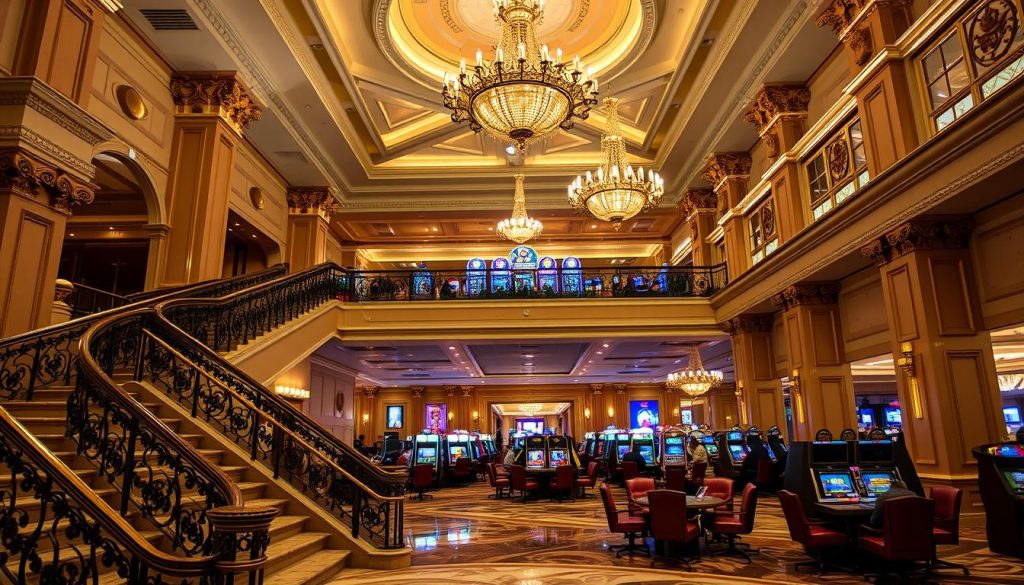
New Zealand currently has six licensed casinos, and the government has made clear it won’t be issuing new casino licenses. SkyCity Entertainment Group operates four of these properties, including the flagship Auckland casino, which represents the largest gaming operation in the country. The remaining two casinos are in Queenstown and Dunedin.
Casino gambling includes table games like blackjack, roulette, and baccarat, along with electronic gaming machines. These operations are subject to extensive licensing conditions, including requirements around responsible gambling programs, staffing, security, and financial reporting.
Outside casinos, gaming machines, commonly called pokies, can be found in pubs, clubs, and other venues. But, the rules differ substantially from the casino environment. Class 4 gambling, which covers these non-casino gaming machines, must be operated by societies that return profits to community purposes. A local pub might have pokies on the premises, but those machines are typically owned and operated by a separate gaming society, with a percentage of proceeds going to sports clubs, charities, or other authorized recipients.
The number of non-casino gaming machines has been declining for years, partly due to regulatory pressure and sinking caps imposed by local governments. If you’re looking at this sector as an investment opportunity, the trend lines suggest contraction rather than growth.
Lotteries and Sports Betting
Lotto New Zealand operates the country’s official lottery, offering games like Powerball, Strike, and Keno. This is a state-owned enterprise, meaning private operators can’t compete in the lottery space. The profits fund the New Zealand Lottery Grants Board, which distributes money to community organizations.
Sports betting falls under the jurisdiction of the TAB (Totalisator Agency Board), which holds a statutory monopoly on betting services within New Zealand. The TAB offers betting on horse racing, greyhound racing, and a wide range of sports from rugby to international football. Recent years have seen the TAB modernize its offerings and digital platforms, though it still operates without domestic private-sector competition.
This monopoly structure is a defining feature of New Zealand’s gambling market. Unlike jurisdictions where multiple bookmakers compete openly, New Zealand channels sports betting through a single authorized operator. For investors accustomed to competitive betting markets in the UK or Australia, this is a significant difference.
Online Gambling Regulations
Here’s where things get interesting, and a bit complicated. New Zealand’s approach to online gambling creates a legal gray area that confuses many people, including some who should know better.
The Gambling Act 2003 prohibits offering remote interactive gambling services to New Zealand residents from within the country. No domestic operator can legally run an online casino or poker site targeting Kiwi players. The TAB and Lotto New Zealand can offer their services online, but that’s because they’re specifically authorized under separate legislative provisions.
But, the law doesn’t prohibit New Zealand residents from gambling on overseas websites. If you place a bet with an offshore operator, whether it’s an online casino based in Malta or a sportsbook licensed in Curacao, you’re not breaking any New Zealand law. The activity falls outside the jurisdiction of domestic regulations.
This creates an unusual situation. Domestic operators can’t compete in the online casino space, but foreign operators can effectively serve New Zealand customers without consequence. The government doesn’t block access to offshore gambling sites, and there’s no enforcement action against players who use them.
From a business perspective, this means the online gambling market in New Zealand is essentially unregulated when it comes to offshore providers. New Zealand players spend significant sums on overseas gambling sites each year, and that money flows out of the country entirely. Some industry observers have argued for regulatory reform that would allow licensed domestic online gambling, capturing revenue and providing consumer protections. As of now, though, the status quo remains.
If you’re considering any business activity related to online gambling in New Zealand, proceed with extreme caution. Operating without proper authorization carries serious penalties, and the definition of what constitutes operating within New Zealand versus offshore can be murky.
Licensing and Regulatory Bodies
Two primary bodies handle gambling regulation in New Zealand, and understanding their respective roles helps clarify how the system works.
The Department of Internal Affairs serves as the main regulatory agency. It issues licenses for most gambling activities, monitors compliance, investigates complaints, and enforces the law. If you’re operating gaming machines, running a raffle, or managing any gambling activity that requires a license, you’ll be dealing with this department. They maintain a public register of licensed operators and publish regular reports on the gambling sector.
The Gambling Commission handles more specialized matters, particularly casino licensing and related appeals. This independent body reviews casino license applications, considers variations to existing licenses, and hears appeals against certain decisions made by the Secretary for Internal Affairs. For anyone involved in casino operations or disputes with regulatory decisions, the Commission is the relevant authority.
Licensing requirements vary depending on the type of gambling activity. Casinos face the most stringent requirements, including detailed probity checks on all key personnel and ongoing compliance obligations. Class 4 gambling operators, those running non-casino gaming machines, must be approved societies with constitutions that meet specific requirements. Even small-scale gambling activities like club raffles need appropriate licenses, though the process is simpler.
The costs of licensing can be substantial. Casino operators pay significant fees and must meet capital requirements. Gaming machine societies face annual licensing costs plus ongoing compliance expenses. Before entering this market, you should factor in these regulatory costs alongside the operational ones.
Tax Implications for Gambling Winnings
Here’s some good news if you’re gambling in New Zealand: the country doesn’t tax gambling winnings for individual players. Whether you hit a jackpot at SkyCity Auckland or win big on Lotto, you keep the full amount. There’s no capital gains tax on gambling profits, and winnings aren’t considered taxable income for ordinary punters.
This stands in contrast to jurisdictions like the United States, where gambling winnings are fully taxable, or the UK, where operators rather than players bear the tax burden. New Zealand’s approach treats gambling winnings as windfalls rather than income, at least for recreational gamblers.
But, and this is important for anyone in finance, the situation differs if gambling constitutes a business activity. If you’re gambling professionally, systematically, and with the primary intention of making a profit rather than entertainment, Inland Revenue may take a different view. Professional gambling income could potentially be taxable as business income, though the threshold for this classification is high and cases are relatively rare.
Operators face a different picture entirely. Casino operators pay a duty on gaming machine profits at a rate that currently stands at 20% of gross profits from gaming machines and 4% from international business. Class 4 gaming machine operators must return specified percentages of their proceeds to authorized purposes, and there are fees and levies throughout the system.
For investors evaluating gambling businesses, the operator-side taxation and fee structure significantly affects profitability. The requirement to return profits to community purposes, rather than shareholders, fundamentally shapes the business model for non-casino gaming operations.
Restrictions and Prohibited Activities
Not everything goes in New Zealand’s gambling market, and some activities face outright prohibition while others encounter significant restrictions.
Unlicensed gambling is illegal, full stop. Running a gambling operation without proper authorization can result in substantial fines and potentially imprisonment. This applies to everything from unauthorized casinos to unlicensed gaming machines. The Department of Internal Affairs actively investigates illegal gambling operations and has pursued prosecutions in cases ranging from underground card rooms to illegal online operations.
Advertising restrictions affect how gambling services can be promoted. While gambling advertising isn’t banned outright, there are rules about content and placement. Advertisements can’t target minors, and there are requirements around responsible gambling messaging. Some local councils have imposed additional restrictions on gambling advertising in their areas.
Age restrictions set the minimum gambling age at 18 for most activities, including casinos, sports betting, and gaming machines. Lotteries are available to those 18 and older. Operators face strict requirements to verify age and exclude underage individuals.
Venue restrictions increasingly limit where gambling can occur. Many local councils have adopted policies that cap or reduce the number of gaming machine venues in their areas. Some have declared themselves pokie-free zones, preventing new venues from opening. This local government involvement adds another layer of complexity for anyone considering investment in gaming machine operations.
Certain types of gambling remain entirely prohibited. Private commercial gambling operations, trying to run your own casino or sportsbook, aren’t possible under current law. Some forms of gambling that exist elsewhere, like spread betting on financial markets, face restrictions or prohibitions. And as mentioned earlier, offering online gambling services from within New Zealand to New Zealand residents is illegal without specific authorization that, in practice, isn’t available to new entrants.
Conclusion
New Zealand’s gambling laws create a controlled but functional market where specific activities are permitted under strict oversight. Yes, gambling is legal in New Zealand, but within boundaries that differ markedly from more liberalized markets.
For investors and business professionals, the key takeaways are clear. The casino sector is essentially closed to new entrants, with no new licenses being issued. The gaming machine market outside casinos is contracting. Sports betting and lotteries operate under state or quasi-state monopolies. And online gambling presents a regulatory gap that favors offshore operators over potential domestic ones.
If you’re evaluating opportunities in this space, focus on the existing licensed operators and the ancillary services that support them. The regulatory environment favors incumbents and creates high barriers to entry. Understanding these dynamics, rather than just the surface-level rules, will serve you well in any decisions you make about New Zealand’s gambling sector.
Frequently Asked Questions
Is gambling legal in New Zealand?
Yes, gambling is legal in New Zealand but operates within a tightly controlled framework under the Gambling Act 2003. Casinos, lotteries, sports betting through the TAB, and gaming machines are permitted, though each requires specific authorization. The government regulates all activities to minimize harm while allowing legitimate gaming.
Can New Zealanders legally gamble on offshore online casinos?
Yes, New Zealand residents can legally gamble on overseas online casinos. While the Gambling Act 2003 prohibits domestic operators from offering online gambling services, it doesn’t restrict players from using offshore websites. The government doesn’t block access to foreign gambling sites or penalize players who use them.
Are gambling winnings taxed in New Zealand?
No, New Zealand doesn’t tax gambling winnings for individual recreational players. Whether you win at a casino, on Lotto, or through sports betting, you keep the full amount. However, professional gamblers who systematically bet for profit may face different tax treatment under business income rules.
How many casinos are there in New Zealand?
New Zealand has six licensed casinos, and the government has confirmed it won’t issue new casino licenses. SkyCity Entertainment Group operates four properties, including the flagship Auckland casino. The remaining two casinos are located in Queenstown and Dunedin.
What is the legal gambling age in New Zealand?
The minimum legal gambling age in New Zealand is 18 for most activities, including casinos, sports betting, gaming machines, and lotteries. Operators must verify age and exclude underage individuals. Strict enforcement applies, with venues facing penalties for allowing minors to gamble.
Who regulates gambling in New Zealand?
The Department of Internal Affairs is the primary regulatory body, issuing licenses, monitoring compliance, and enforcing gambling laws. The Gambling Commission handles specialized matters like casino licensing and appeals. Both agencies work together to ensure operators meet strict legal requirements under the Gambling Act 2003.